Which HALO Systems Actually Soften Water?
HALO currently has two relevant ion-exchange product families for true hardness removal.
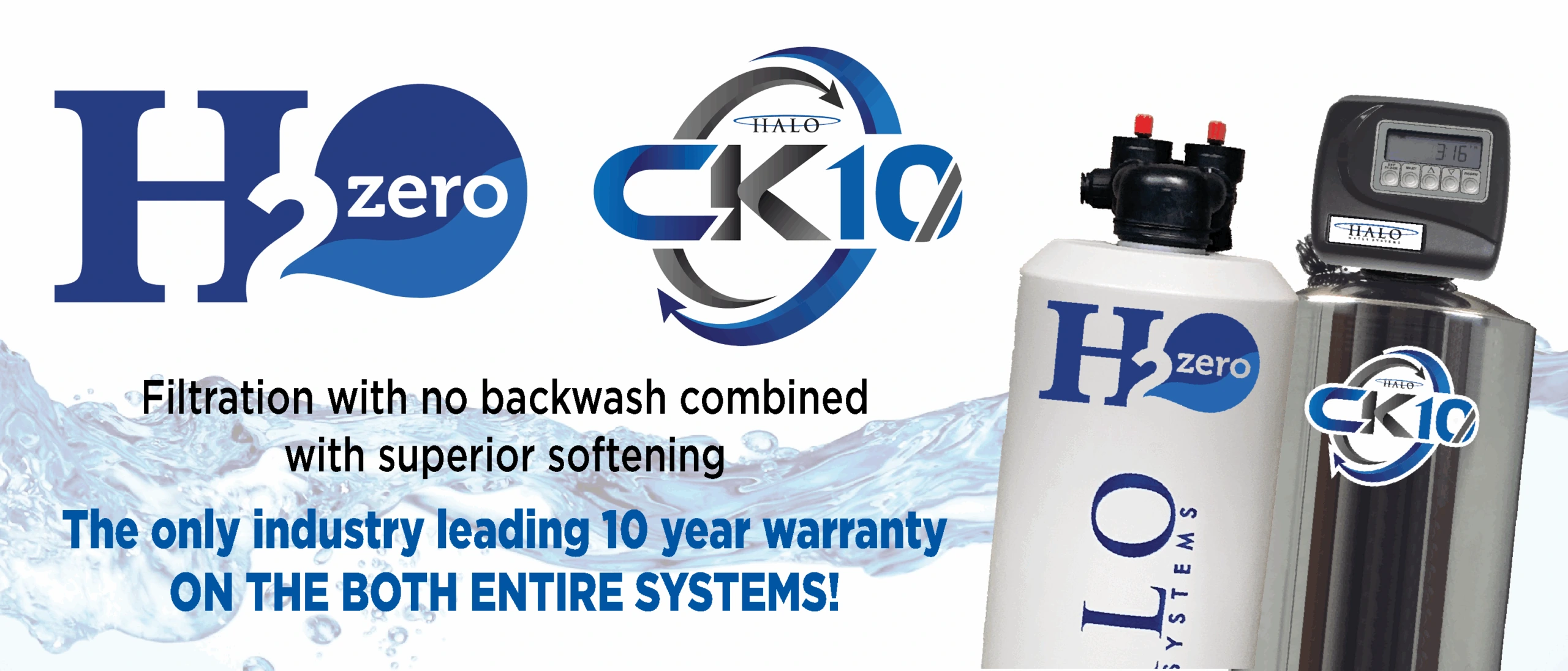
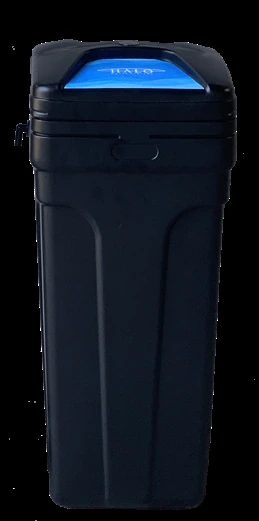
HALO CK10
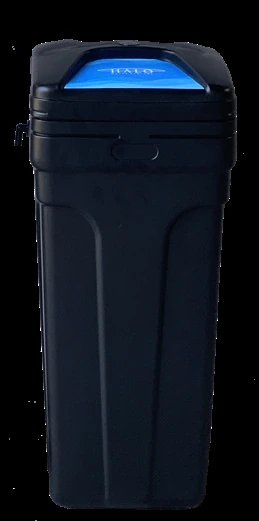
The CK10 is a conventional salt-based ion-exchange water softener. Calcium and magnesium hardness ions are captured by resin and exchanged for sodium or potassium ions. When the resin reaches capacity, the system regenerates using brine.
HALO lists CK10 configurations with different resin volumes for different treatment requirements. Unlike HALO 5 or ION 2.0 Plus, CK10 actually removes hardness minerals from treated water.
HALO Hybrid
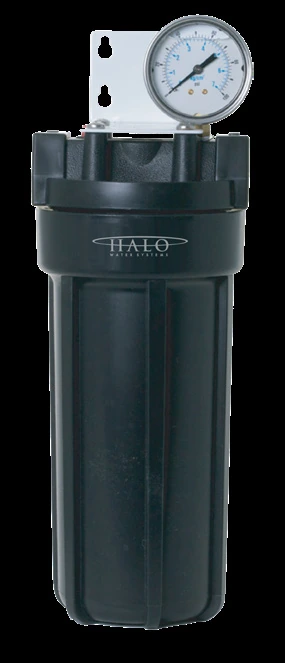
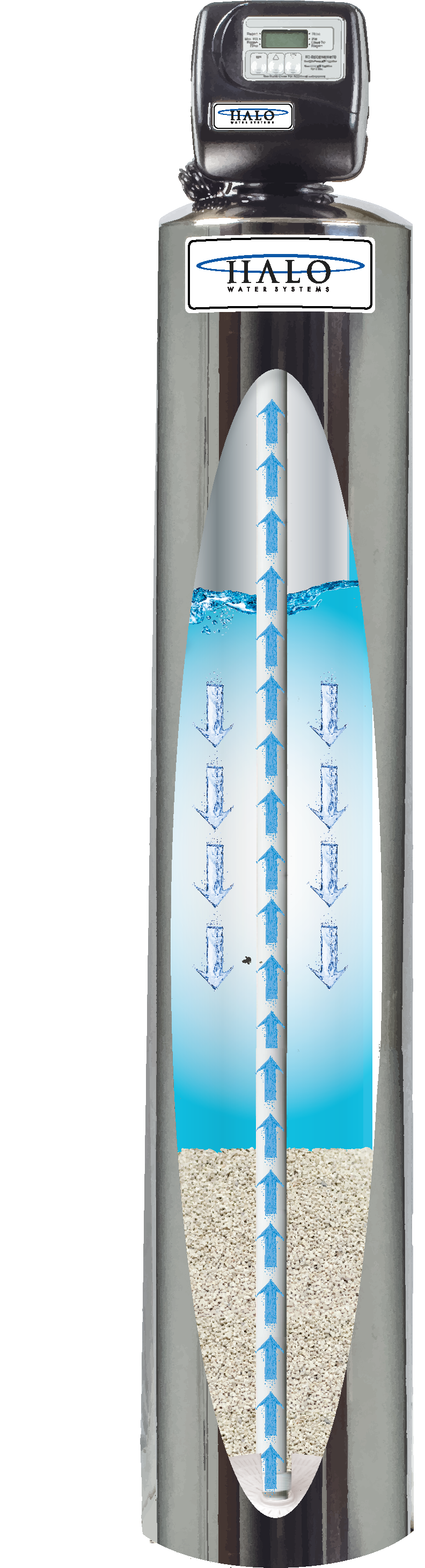
The HALO Hybrid combines carbon filtration and ion-exchange softening in a single tank. HALO describes a divided internal design with activated carbon for filtration and ion-exchange resin for hardness removal.
That makes Hybrid appropriate to compare with conventional combination filtration-and-softening systems rather than with a salt-free conditioner.
HALO 5 vs CK10: What Is the Difference?
HALO 5 and CK10 address different treatment jobs.
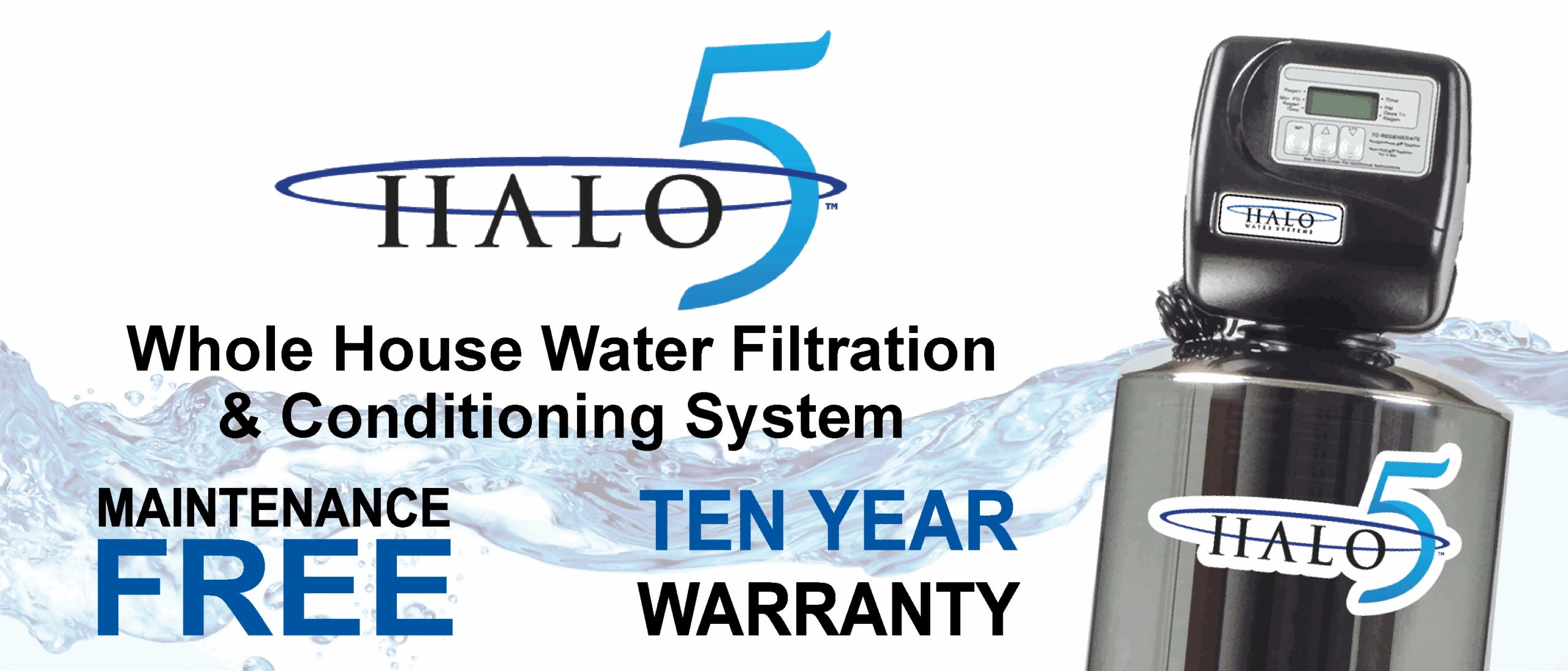
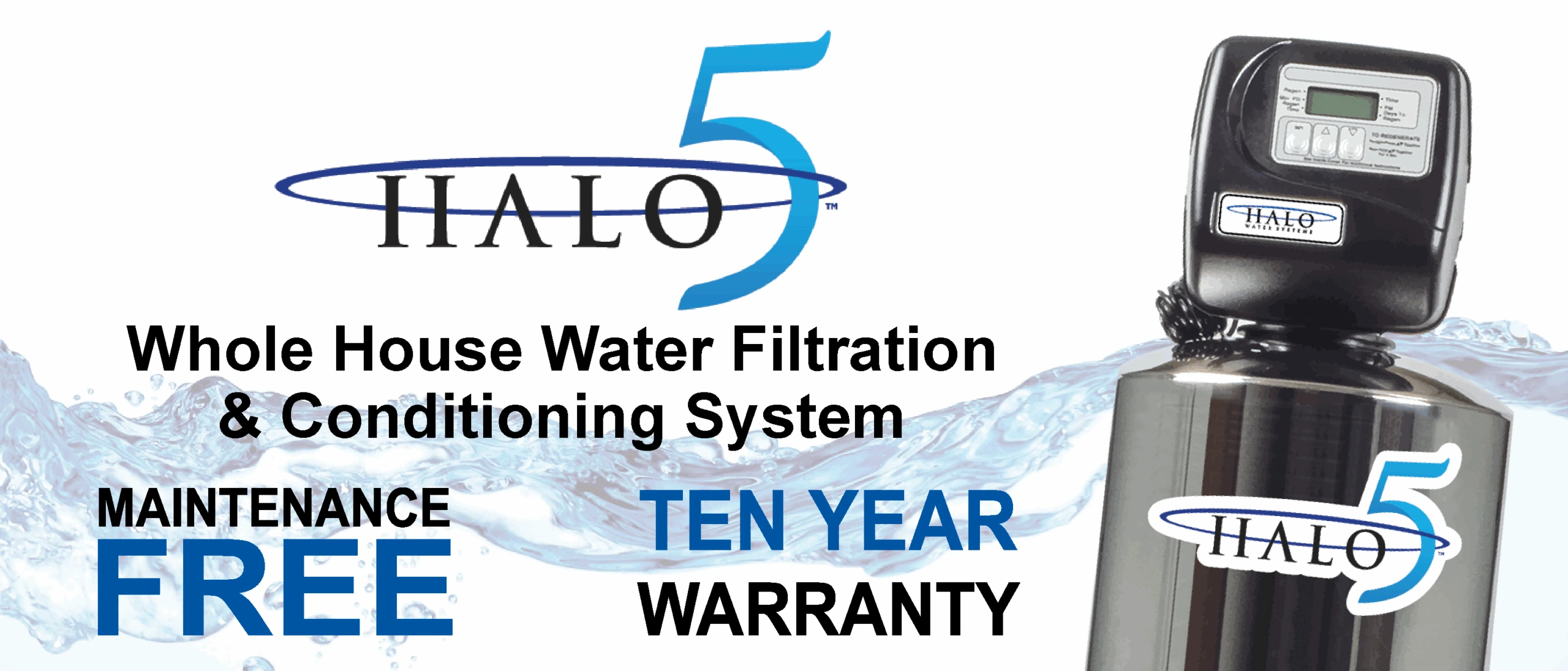
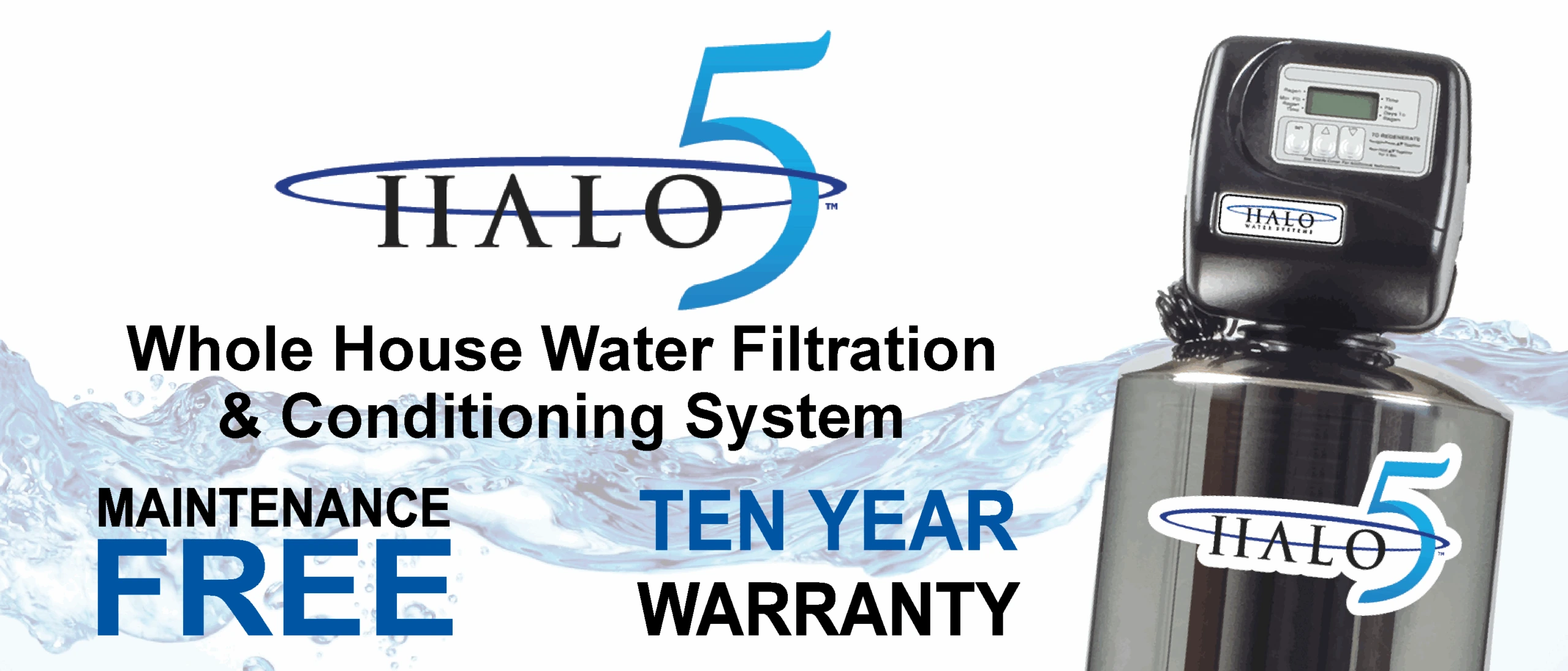
HALO 5:
- whole-house filtration and conditioning
- no salt regeneration
- does not remove calcium and magnesium hardness ions
- filtration media plus magnetic conditioning
- marketed as a low-maintenance whole-house system
CK10:
- conventional ion-exchange water softener
- removes calcium and magnesium hardness ions
- requires salt or potassium
- periodically regenerates
- requires a drain and programmed control valve
If a water test shows hardness and the objective is lower measured hardness, CK10 is the relevant HALO technology. If the objective is whole-house filtration or scale conditioning without conventional softening, HALO 5 belongs in a different comparison set.
What Is HALO ION 2.0 Plus?
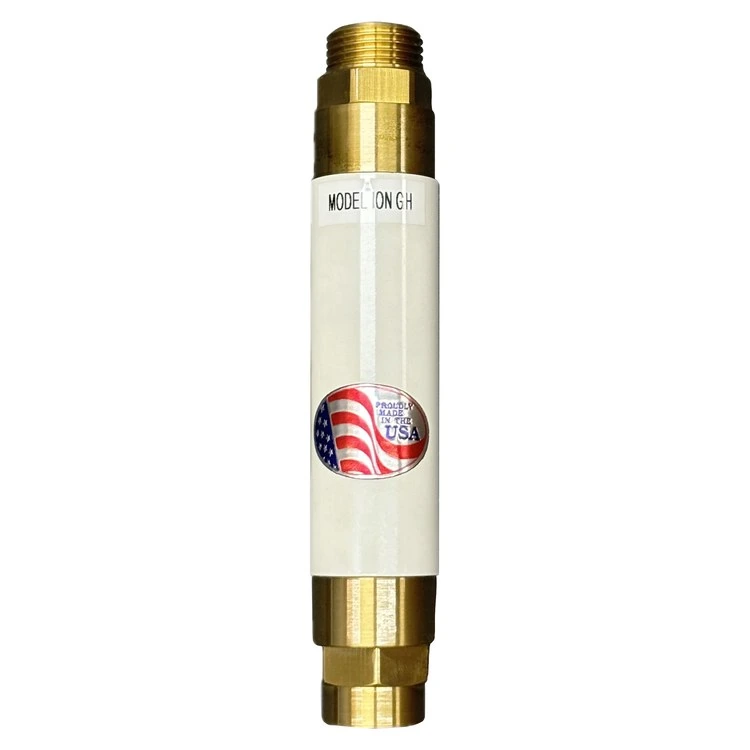
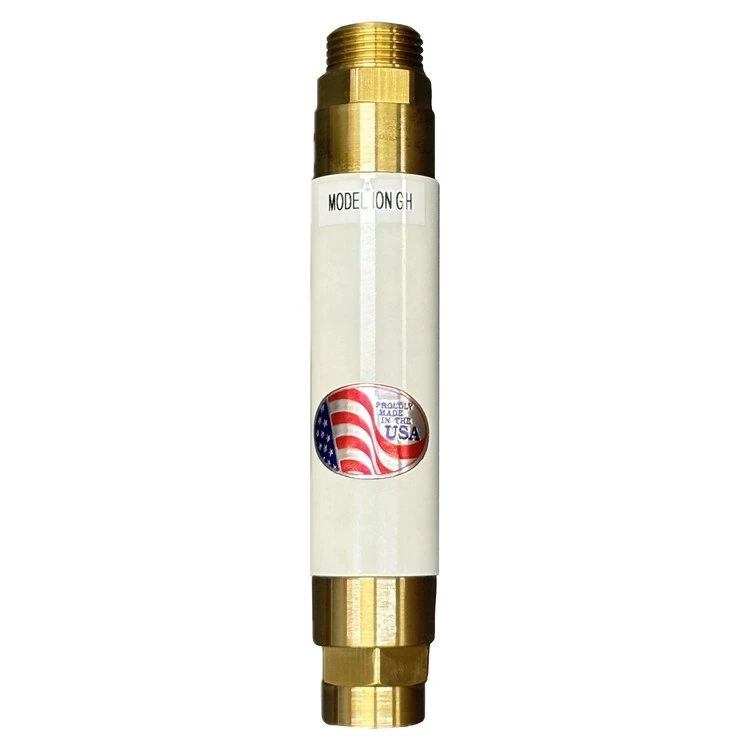
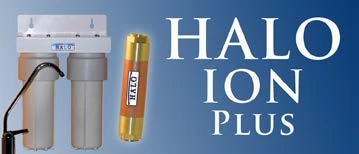
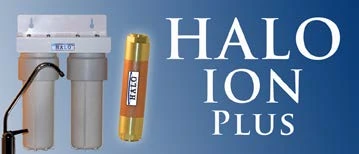
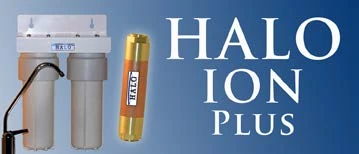
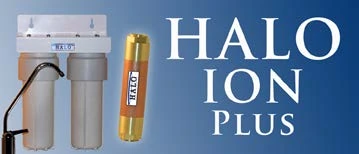
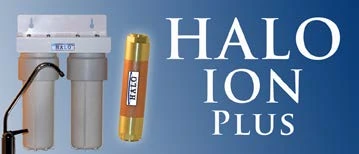
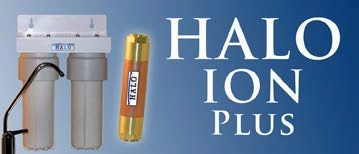
HALO ION 2.0 Plus is an inline magnetic water conditioner, not an ion-exchange water softener. HALO states that it uses permanent magnetic fields to influence dissolved calcium and magnesium so the minerals are less likely to form hard scale on plumbing and equipment. It requires no electricity, drain line, salt or chemical regenerant.
The key limitation is straightforward: ION 2.0 Plus does not remove hardness minerals from the water. Calcium and magnesium remain present, so a claim about scale behaviour should not be translated into a claim that measured water hardness has been reduced.
HALO ION9 and the ION Product Range
ION9 is one size within the HALO ION 2.0 Plus family. The tracked catalogue includes ION6, ION9, ION12, ION20, ION35 and ION50, plus other connection configurations. The appropriate model is a sizing question rather than a difference in core treatment mechanism.
Do not describe ION9 as a “9-grain”, “9,000-grain” or conventional softener capacity. The model naming belongs to HALO’s ION sizing system rather than an ion-exchange grain-capacity rating.
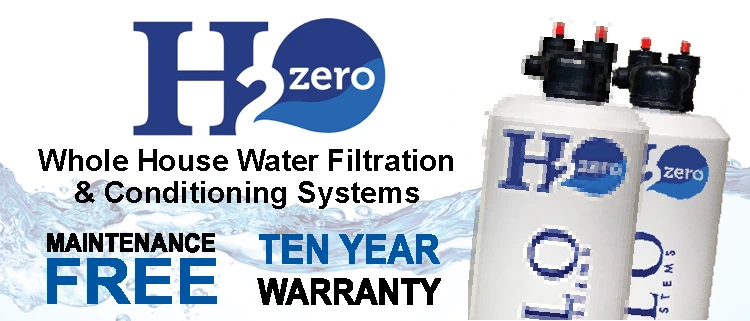
What Is HALO H2 ZERO?
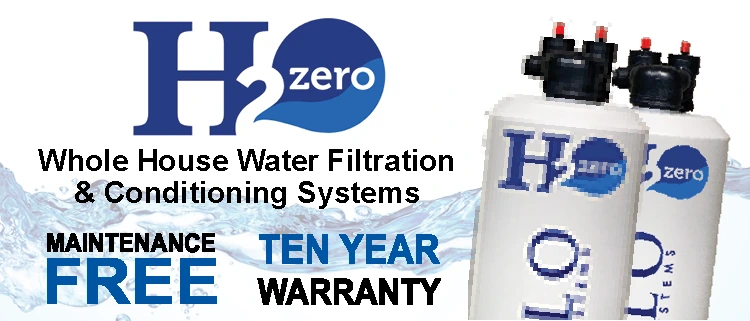
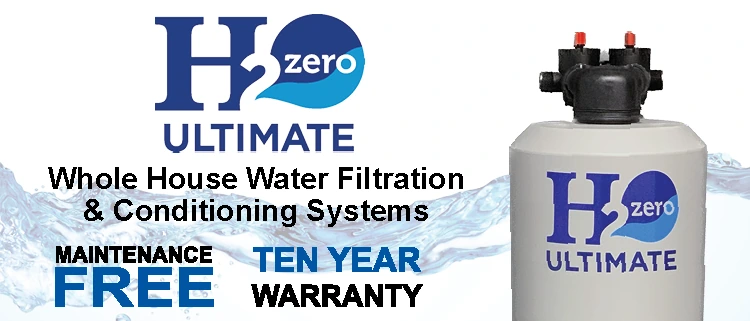
H2 ZERO is a family of whole-house treatment systems designed around filtration and/or scale conditioning without conventional softener regeneration. Tracked variants include:
The exact configuration matters because these systems do not all contain the same media or perform the same treatment job. H2 ZERO should not be treated as one generic “HALO water softener”. Where scale media is involved, the intended mechanism is conditioning rather than removal of calcium and magnesium hardness ions. Where carbon is involved, the system is performing a filtration role.
HALO Whole-House Filtration vs Water Softening
Whole-house filtration
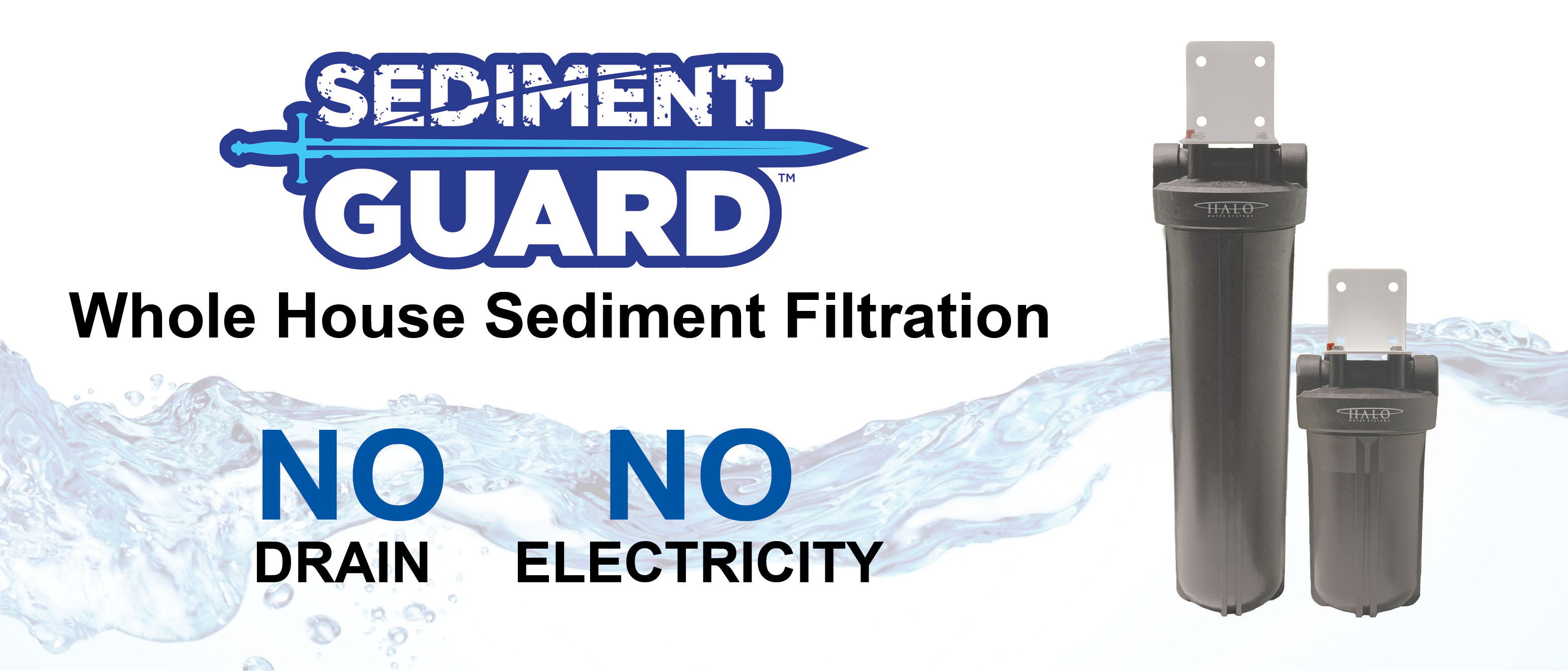
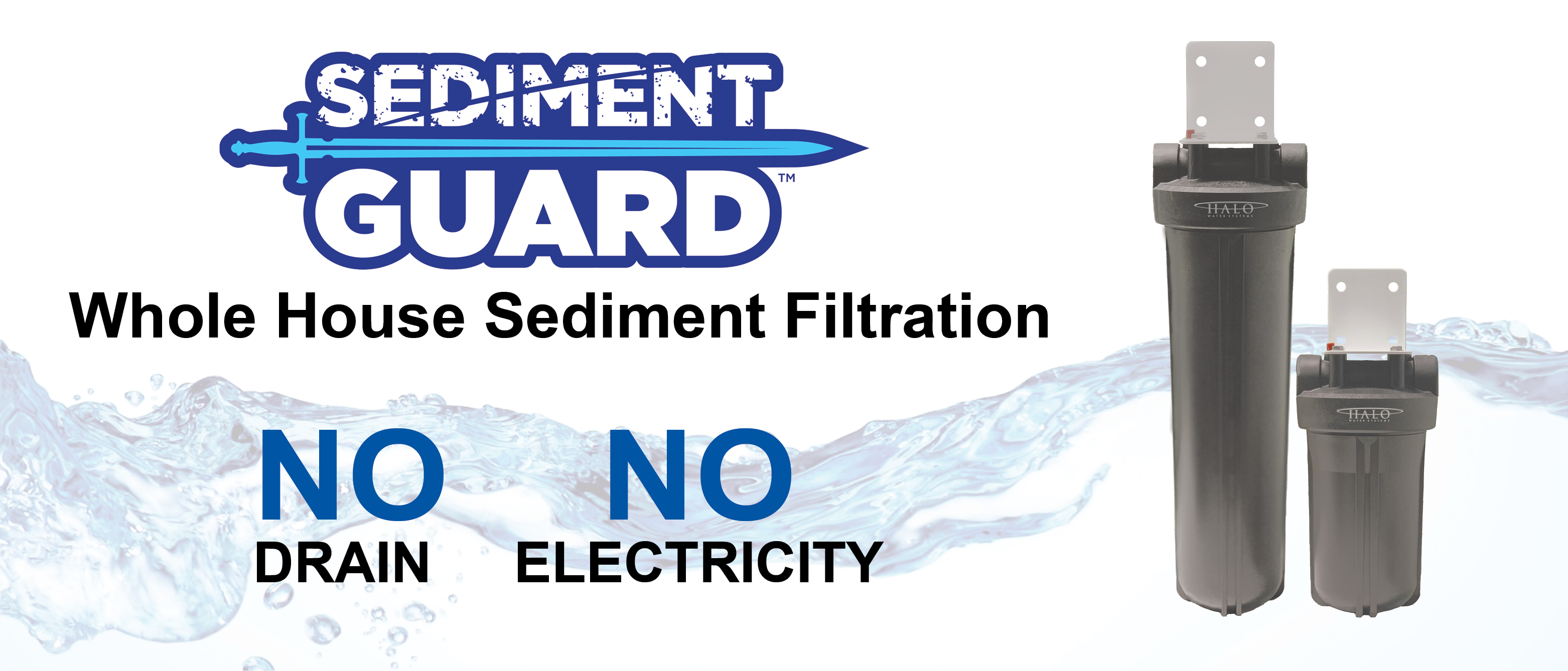
Products such as HALO 5, H2 ZERO Carbon and Sediment Guard use media designed for filtration. Depending on the exact media and documented claim, filtration may address sediment, chlorine, taste, odour or another named constituent. Any reduction claim must be checked against the exact product and supporting evidence.
Water softening
CK10 and HALO Hybrid contain regenerating ion-exchange resin. These systems remove calcium and magnesium hardness ions. Typical ownership requirements include salt or potassium, regeneration, electricity, drain access, control-valve programming and ongoing service costs.
Conditioning
HALO ION and conditioning stages incorporated into other products are intended to affect scale behaviour while leaving hardness minerals in the water. Conditioning is not the same result as softening.
Is HALO 5 Certified to Remove Contaminants?
Do not interpret HALO 5’s certification evidence as broad contaminant-reduction certification.
The HALO 5 evidence reviewed by Water System Guide establishes compliance related to NSF/ANSI/CAN 61 material safety and NSF/ANSI 372 lead-content requirements. Those standards concern the safety and composition of materials used in drinking-water system components. They do not, by themselves, prove that HALO 5 reduces chlorine, PFAS, lead or another named contaminant.
HALO 5’s specification includes an explicit boundary: it was not tested or certified by WQA for contaminant reduction, performance or structural integrity. A contaminant-reduction claim requires evidence tied to the exact model, standard and reduction claim.
Which HALO Product Has NSF Contaminant-Reduction Certification?
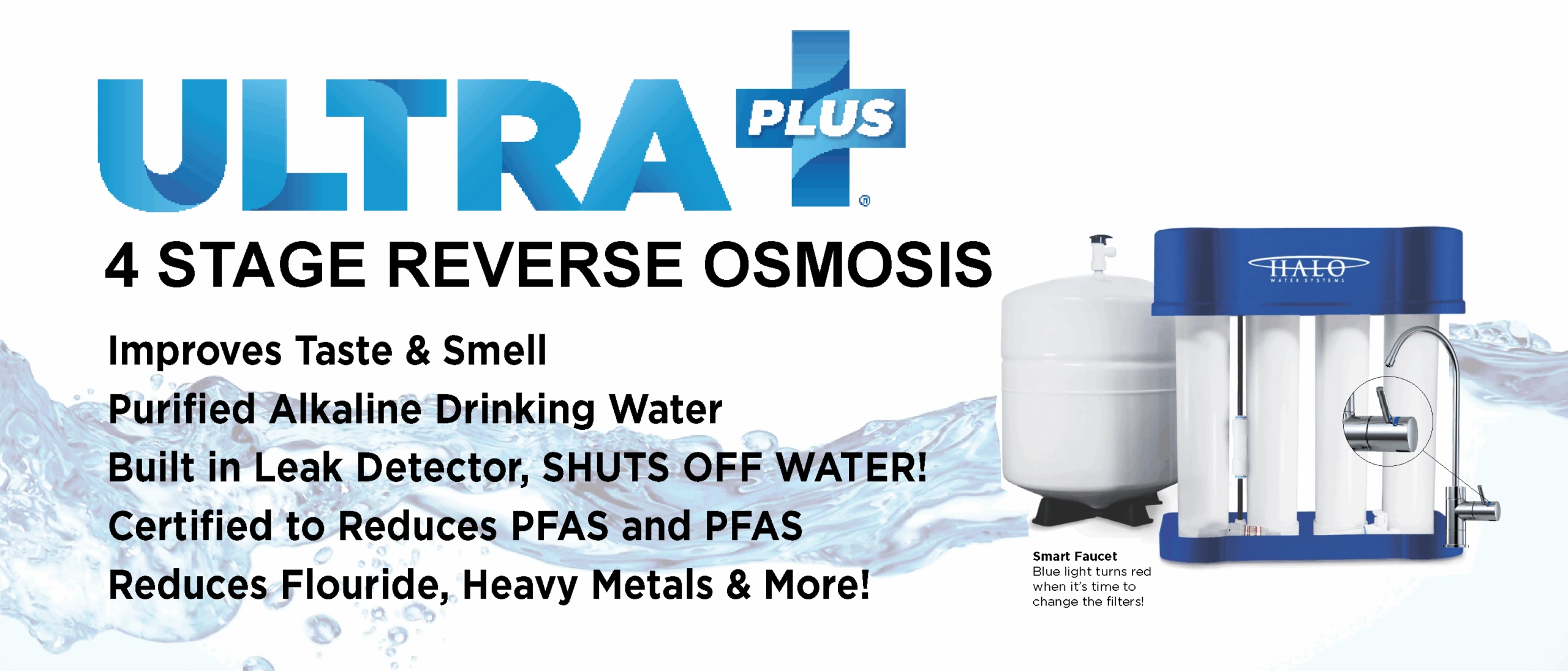
Within the accepted evidence reviewed by Water System Guide, HALO Ultra Plus RO is the HALO product with an accepted NSF drinking-water-treatment listing. It is an under-sink point-of-use RO system rather than a whole-house filter.
The accepted NSF/ANSI 58 record uses a 20.1-gallon-per-day certified production rate. HALO’s specification describes a nominal 50-gallon-per-day membrane. These are different measurements and should not be presented interchangeably.
H2 ZERO Ultimate’s product page states that HAC is certified under NSF Standard 42, but no matching HALO NSF 42 roster row was present in the accepted capture. That statement remains a manufacturer claim rather than an accepted exact-model contaminant-reduction certification.
HALO Ultra Plus: 50 GPD vs 20.1 GPD
The two figures describe different performance contexts. HALO’s specification describes the membrane as a 50 GPD membrane, while the accepted certification record reports a lower certified production rate under the certifier’s standardised test conditions.
For comparisons between certified RO systems, use the certified production figure rather than assuming the membrane’s nominal rating is equivalent.
HALO Water System Pricing
HALO does not publish a simple national retail-price schedule for the systems reviewed here. The products are sold through a dealer/contractor channel, so pricing generally requires a quote.
Ask for the proposal to separate the exact model, equipment price, installation labour, plumbing modifications, drain or electrical work, permits, startup, replacement media or filters, salt requirements, service-call costs, warranty labour, freight and taxes.
Equipment price alone does not capture the different ownership requirements of filtration, conditioning and regenerating softening.
HALO Warranty: Check the Exact Product
HALO warranty terms vary by product family. Do not assume a warranty statement attached to one HALO product applies across the brand.
The accepted research record preserves unresolved warranty boundaries:
- H2 ZERO specification material references a 25-year warranty while reviewed warranty documents state “TEN YEAR WARRANTY”.
- Standalone CK10 warranty documents were unavailable in the accepted capture; a combination-system page references a 10-year warranty when paired with HALO filtration.
- The reviewed Ultra Plus RO warranty PDF was image-only and its detailed terms were not accepted into the record.
- HALO 5 warranty documents exist, but component-level labour, freight, media and consumables boundaries were not fully established.
Before purchase, obtain the current warranty document corresponding to the exact model being quoted.
HALO Installation and Maintenance Requirements
Requirements depend heavily on technology.
HALO 5 / filtration and conditioning
HALO’s homeowner documentation describes whole-house installation, flushing and startup procedures. Exact plumbing and service requirements should be checked against the current model guide.
CK10 / Hybrid
Regenerating ion-exchange systems require a suitable drain, electrical supply, brine tank or regenerant, programmed regeneration and periodic salt replenishment.
ION 2.0 Plus
HALO states that ION requires no drain line, electricity, chemicals or salt regeneration.
Ultra Plus RO
The current manual and specification should be checked for pressure, temperature, incoming-water and installer requirements before purchase.
Which HALO System Should You Consider?
Start with the treatment outcome, not the product name.
If you want actual hardness removal
Compare CK10, HALO Hybrid and HALO combinations containing CK10. These use conventional ion exchange.
If you want scale conditioning without salt
Compare ION 2.0 Plus, appropriate H2 ZERO conditioning configurations and the conditioning stage within HALO 5. These do not produce conventionally softened water.
If you want whole-house filtration
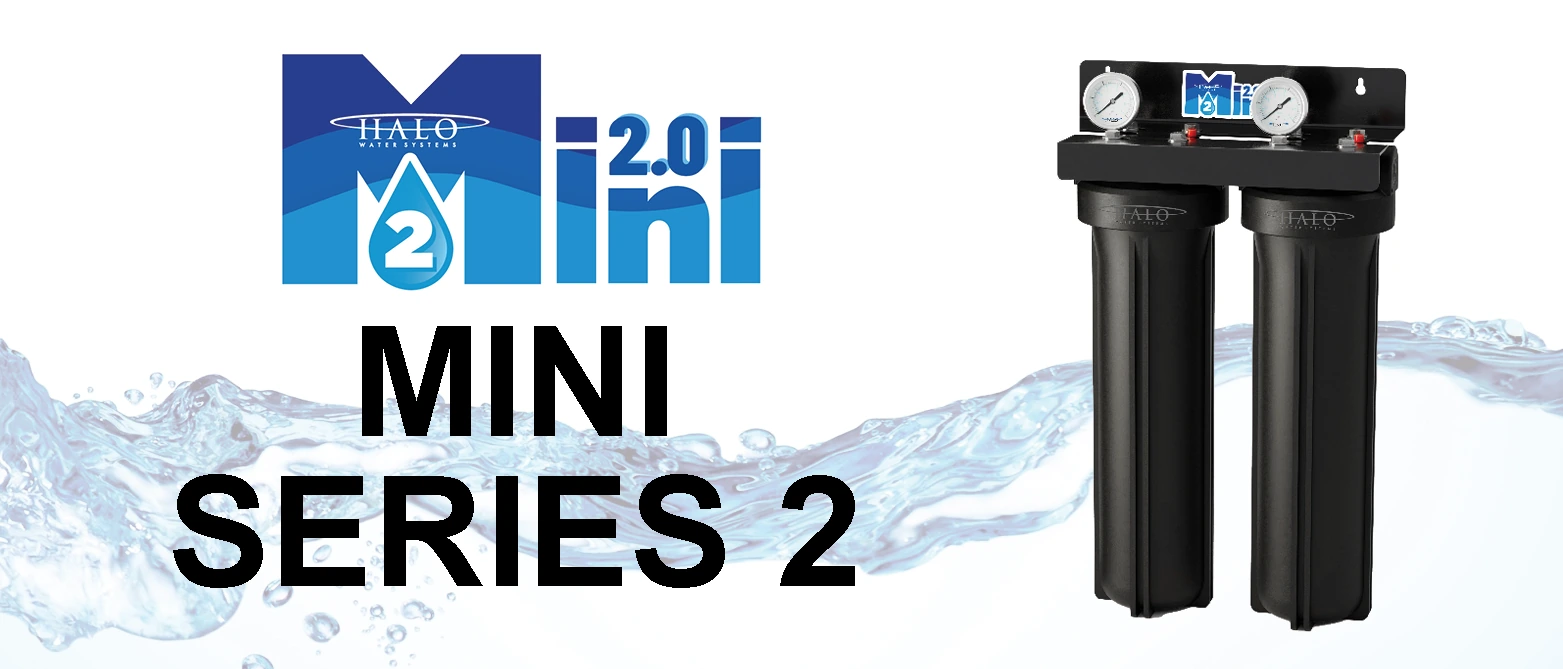
Compare the exact HALO 5, H2 ZERO, Mini, Sediment Guard or specialty configuration against the contaminant or aesthetic issue you are actually trying to address.
If you want drinking-water treatment
Ultra Plus RO is the relevant HALO reverse-osmosis platform.
If you have a private well
Do not select a system from symptoms alone. Test the water first and match any iron, sulfur, manganese, pH, hardness or microbiological issue to treatment evidence for the exact proposed system.
Questions to Ask a HALO Dealer Before Buying
- What is the exact HALO product and model number?
- Is this filtration, softening or conditioning?
- Will it actually remove calcium and magnesium hardness ions?
- What water test supports the recommendation?
- What exact contaminant-reduction claims are documented?
- What certification record supports those claims?
- What flow rate is the proposed configuration rated for?
- What maintenance does it require?
- Does it require salt, electricity or a drain?
- What is the complete installed price?
- What exact warranty document applies?
- Who pays labour, freight and service-call costs under warranty?
- Who will service the system locally after installation?
- Are replacement parts or media dealer-only?
- What happens if the installing dealer is no longer available?
What We Verified
The current HALO evidence reviewed by Water System Guide supports HALO 5 whole-house filtration and conditioning; CK10 conventional ion-exchange softening; HALO Hybrid filtration plus ion-exchange softening; ION 2.0 Plus magnetic scale conditioning; H2 ZERO filtration and conditioning families; Ultra Plus point-of-use reverse osmosis; Sediment Guard and specialty systems; dealer-channel sales; HALO 5 material-safety and lead-content evidence; accepted NSF drinking-water-treatment evidence for Ultra Plus RO; and manufacturer documentation distinguishing softening from conditioning.
What Remains Unverified or Product-Specific
Do not generalise current installed pricing, local availability, dealer authorisation, exact contaminant reduction, warranty terms, certification of neighbouring sizes, service-call charges, parts availability or installer coverage across the HALO brand.
A missing verification is not evidence that a system fails to perform. It means the claim should remain unconfirmed until evidence for the exact configuration is available.
Bottom Line
HALO Water Systems offers several different treatment technologies under one brand, and treating them all as “HALO water softeners” creates the wrong comparison.
CK10 and HALO Hybrid are true ion-exchange water softeners because they remove calcium and magnesium hardness ions.
HALO 5, ION 2.0 Plus and relevant H2 ZERO configurations are conditioners or filtration systems, not conventional softeners. They can be relevant to scale management or filtration without lowering measured hardness in the same way as ion exchange.
Ultra Plus is a separate point-of-use reverse-osmosis system for drinking-water treatment.
Establish the water problem first, identify the treatment mechanism second, and only then compare the exact HALO model, evidence, installation scope and dealer quote.
Frequently Asked Questions
Is HALO 5 a water softener?
No. HALO 5 combines whole-house filtration with a conditioning stage, but it does not remove calcium and magnesium hardness ions through ion exchange. HALO’s CK10 and Hybrid are the relevant products for conventional softening.
Does HALO 5 remove hard-water minerals?
HALO 5 is designed to condition scale behaviour rather than remove the calcium and magnesium ions that cause hardness. Measured hardness should not be assumed to fall as it would with an ion-exchange softener.
What is the difference between HALO 5 and CK10?
HALO 5 is principally a whole-house filtration and conditioning system. CK10 is a regenerating ion-exchange water softener that removes hardness minerals and requires salt or potassium, electricity and a drain.
Is HALO ION9 a water softener?
No. ION9 is a configuration within the HALO ION 2.0 Plus magnetic-conditioning family. It is designed for scale conditioning and does not remove hardness ions.
Which HALO system actually softens water?
HALO CK10 and HALO Hybrid use ion-exchange resin and provide conventional hardness removal. HALO combination packages containing a CK10 softener also include true softening.
Is HALO 5 NSF certified?
The reviewed HALO 5 evidence covers NSF/ANSI/CAN 61 material-safety and NSF/ANSI 372 lead-content requirements. Those are not contaminant-reduction certifications.
Which HALO system has contaminant-reduction certification?
Within the accepted evidence currently reviewed, HALO Ultra Plus RO has an NSF drinking-water-treatment listing. Certification should be checked against the exact current product and claim.
How much does a HALO water system cost?
HALO does not publish universal first-party retail or installed pricing for the reviewed systems. Dealer quotes are required, and buyers should separate equipment, installation and recurring ownership costs.
Does HALO use salt?
It depends on the product. CK10 and Hybrid use regenerating ion exchange and require salt or potassium. HALO 5, ION 2.0 Plus and relevant H2 ZERO systems do not use conventional softener salt regeneration.
Does Water System Guide sell or install HALO systems?
No. Water System Guide is an independent research publisher and is not HALO Water Systems, a HALO dealer or an authorised installer.
Editorial Disclosure
Water System Guide independently researches water-treatment systems using manufacturer documentation, manuals, certifier records and other primary evidence where available. Product specifications, certification records, warranties, availability and dealer arrangements can change. Confirm material purchase and installation claims against current documentation for the exact system being proposed.

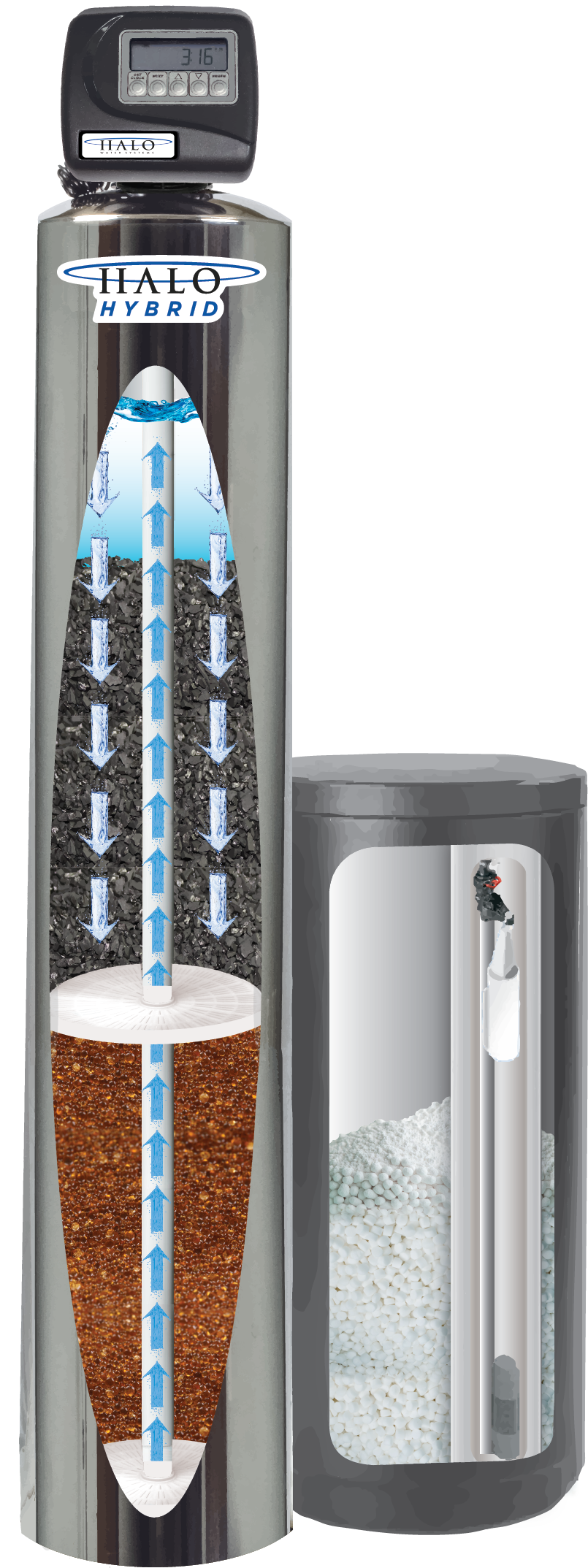 Combination softener + filtrationHALO HybridModel number under reviewManufacturer-listed combination softener + filtration record in the HALO Hybrid family.